Welcome to the Mister Coffee Manual, your definitive guide to mastering home brewing. This concise yet comprehensive resource covers bean selection, grinding, and brewing techniques, empowering enthusiasts to craft café‑quality coffee with confidence and consistency. Discover practical insights and expert tips.!
Purpose and Scope
The Mister Coffee Manual is designed to serve both novices and seasoned baristas, offering a clear, step‑by‑step framework that demystifies the art of coffee preparation. Its primary purpose is to equip readers with the knowledge and practical skills required to select the finest beans, understand roast nuances, and execute a variety of brewing methods with precision. By blending concise explanations with actionable guidance, the manual ensures that every reader can translate theory into practice, achieving consistent, high‑quality results from the first cup onward. The scope extends beyond basic recipes; it covers equipment selection, maintenance routines, and troubleshooting common pitfalls, thereby fostering a holistic appreciation of the coffee experience. Whether you aim to refine your daily ritual or explore advanced techniques, this manual serves as a reliable companion, bridging the gap between curiosity and mastery in the world of coffee.
The manual is structured to guide readers through each stage, from bean selection to the final pour, with clear diagrams and while also offering alternative approaches for those seeking experimentation. Additionally, it includes a glossary of key terms and a troubleshooting guide to help users quickly resolve common issues uneven extraction! By integrating practical tips with scientific insight, the Mister Coffee Manual empowers coffee lovers to consistently produce flavorful, balanced cups, turning everyday brewing into a rewarding ritual.!
This FAQ section addresses quick doubts brewing confidence.
History and Evolution of Mister Coffee
Mister Coffee began as a small family roaster in 1998, evolving through digital catalogs to a global brand. Its journey blends tradition with innovation, expanding from single‑origin beans to curated blends, while embracing sustainable sourcing and modern brewing education. a community of coffee lovers worldwide today!
Milestones and Brand Development
Founded in 1998 by coffee aficionado Elena Rossi, Mister Coffee began as a modest roastery in Milan, offering hand‑roasted beans sourced from local farms. By 2003, the brand launched its first signature blend, “Urban Espresso,” gaining acclaim for its balanced acidity and rich crema. The 2008 introduction of a subscription model expanded accessibility, allowing customers worldwide to receive freshly roasted beans monthly. In 2011, Mister Coffee partnered with the Fair Trade Alliance, committing to ethical sourcing and transparent supply chains. The 2014 launch of an online educational platform, “Coffee Lab,” provided tutorials on bean selection, grinding, and brewing techniques, positioning the company as a thought leader. A landmark moment arrived in 2016 when the company received the International Coffee Award for Sustainable Practices, solidifying its reputation for environmental stewardship. The 2019 expansion into specialty coffee shops across Europe marked a significant scaling of operations, while the 2021 release of a proprietary grinder line demonstrated innovation in equipment design. Today, Mister Coffee continues to evolve, integrating AI-driven roast profiling and community-driven flavor profiling to deliver personalized coffee experiences worldwide. Recently, Mister Coffee has deployed machine‑learning algorithms to fine‑tune roast curves, partnered with local artisans for limited‑edition blends celebrating regional terroir and launched a sustainability dashboard that tracks CO₂ emissions reinforcing its pledge to quality community us
Coffee Bean Selection and Sourcing
Mister Coffee sources beans from vetted farms in Colombia, Ethiopia, and Guatemala, prioritizing organic and fair‑trade practices. Each batch undergoes sensory profiling, ensuring optimal flavor, aroma, and roast potential for diverse brewing methods. —for connoisseurs!?
Roast Profiles and Origin Tracing
Mister Coffee sources beans from vetted farms in Colombia, Ethiopia, and Guatemala, prioritizing organic and fair‑trade practices. Each batch undergoes sensory profiling, ensuring optimal flavor, aroma, and roast potential for diverse brewing methods. Light roasts from Ethiopian Yirgacheffe emphasize floral acidity and bright citrus notes, while medium roasts from Colombian Supremo deliver balanced body and nutty undertones. Dark roasts sourced from Guatemalan Antigua showcase chocolatey richness with subtle smoky depth. Each profile includes a recommended roast window, temperature curve, and cooling method to preserve volatile aromatics. Origin tracing employs a digital ledger that records farm coordinates, altitude, soil composition, and harvest date, ensuring traceability and enabling consumers to connect taste to terroir. By aligning roast intensity with origin characteristics, brewers can accentuate unique flavor signatures, whether aiming for a crisp pour‑over or a robust espresso. This systematic approach empowers users to craft personalized blends that reflect both bean heritage and desired sensory outcomes.
The manual details how to use a roast log to track batch variations, noting temperature peaks and sensory notes. By correlating data points with origin attributes, brewers fine‑tune roast curves to highlight desired flavors. The guide explains how to adjust grind size for each roast level, ensuring optimal extraction across brewing methods. Finally, it offers troubleshooting matrix linking common taste anomalies—sourness, bitterness, flatness—to specific roast or grind issues, enabling rapid corrective action.
Grinding and Storage Techniques
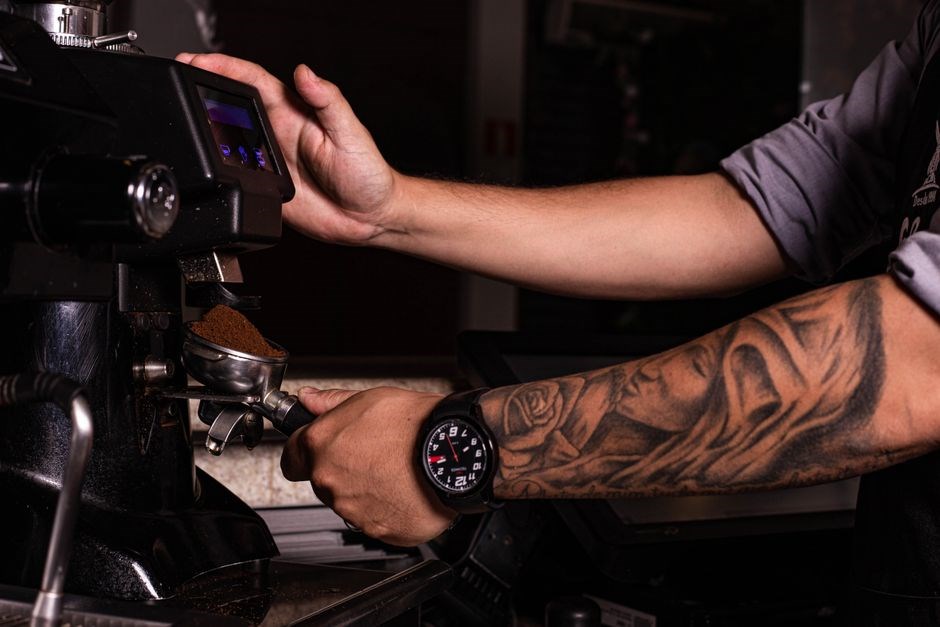
Use a burr grinder for uniform particles, adjust settings per brew. Store beans in airtight, opaque containers at 20°C, away from light. Cool beans after roasting, avoid moisture. Regrind daily for freshness. Use a timer to monitor extraction and tweak grind size flavor! !
Grinder Types and Maintenance
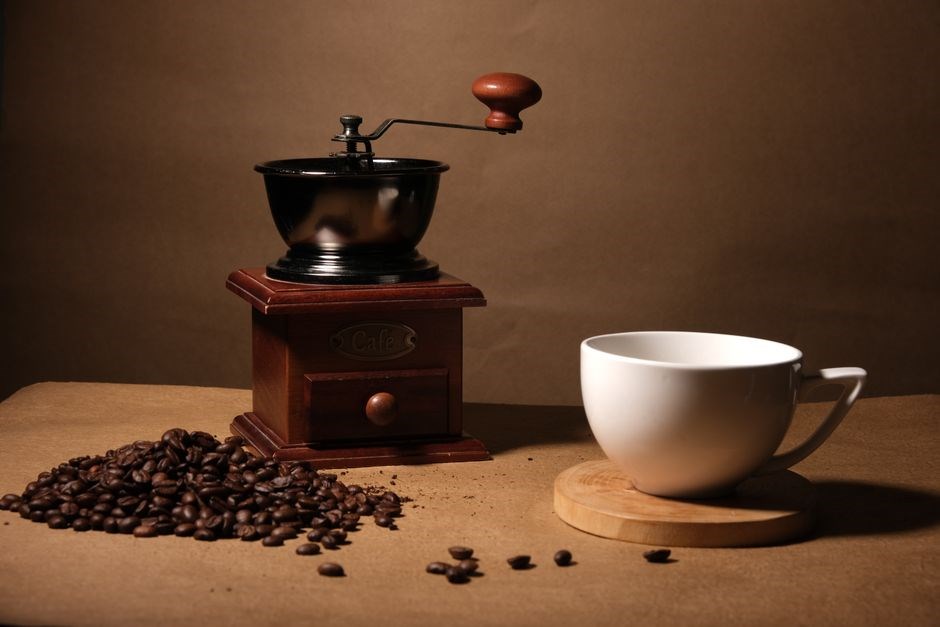
Choosing the right grinder is pivotal for flavor consistency. Burr grinders—flat or conical—produce uniform particle sizes, minimizing channeling and ensuring even extraction. Blade grinders, while affordable, generate uneven grounds and heat, which can degrade aroma. For home users, a conical burr grinder balances cost, speed, and quality. Commercial setups often employ flat burrs for precision and lower vibration. When selecting a grinder, consider grind size range, burr material, and motor torque. Stainless‑steel burrs resist corrosion, while ceramic burrs maintain sharpness longer but may be noisier. Conical burrs trap more oils, enhancing body; flat burrs deliver a profile. Maintenance keeps grinders performing at peak levels. Unplug the unit, remove loose beans, and use a soft brush or vacuum to clean the burr chamber, avoiding metal shavings, extra info. Replace burrs when they show wear, such as dull edges or inconsistent grind size. Lightly oil burrs with a food‑safe lubricant to reduce friction, but avoid excess oil that may cling to grounds. Inspect the motor and gears for wear; tighten loose screws and replace worn bearings. Keep the grinder’s exterior dry; moisture can corrode metal parts. Store the grinder in a cool, dry place, covering it with a breathable cloth to prevent dust. After each use, wipe burrs and housing with a dry cloth to remove residual oils. If an off‑taste persists, disassemble burrs, clean them under running water, then dry thoroughly before reassembly. Adhering to these cleaning routines preserves grinder accuracy and extends its lifespan, ensuring each cup delivers the intended flavor profile, whether brewing a light pour‑over or a robust espresso.
Brewing Methods Covered in the Manual
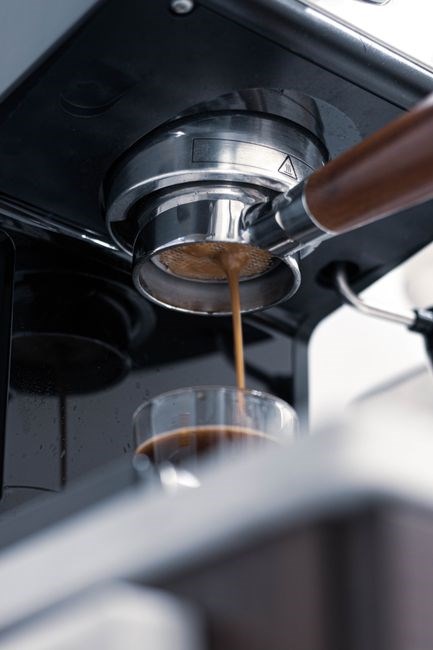
Explore four core brewing techniques: pour‑over, French press, AeroPress, and espresso. Each method offers distinct flavor profiles, extraction times, and equipment needs; Mastering these will elevate your daily cup and deepen appreciation for coffee artistry. Ideal for pros alike, these methods reveal aromas now
Pour-Over, French Press, AeroPress, Espresso
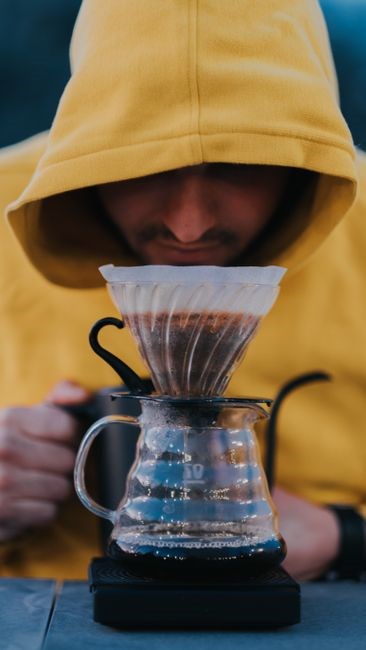
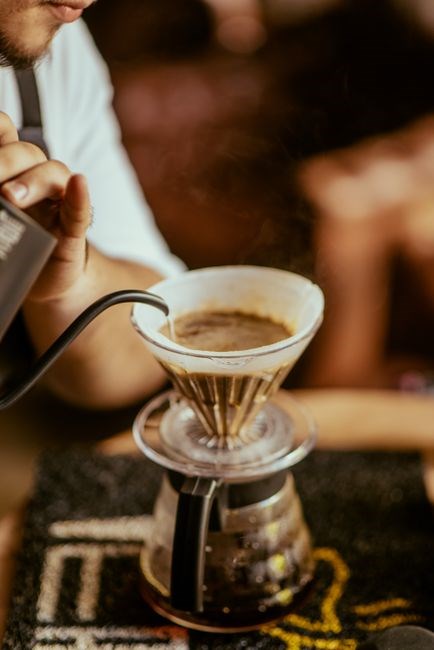
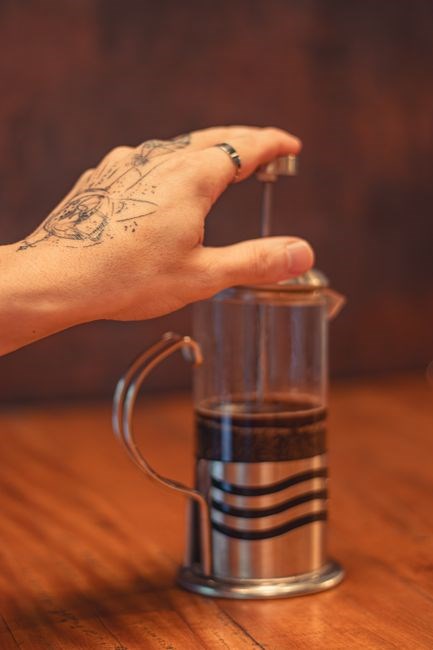
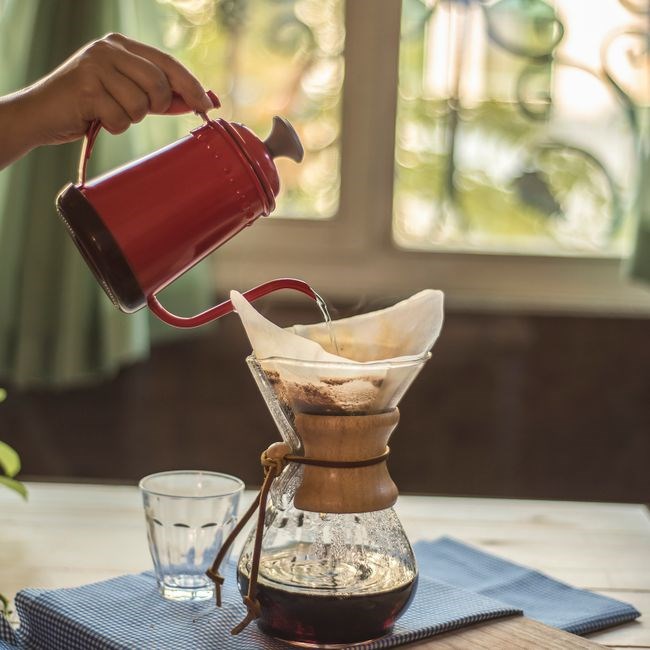
Pour‑over delivers clarity and nuance; the manual details optimal water temperature (195‑205°F), bloom time, and slow, circular pours to unlock bright acidity. French press emphasizes body; we cover ideal grind size, immersion time (4‑5 min), and a gentle press technique to preserve oils. AeroPress offers versatility; the guide explains the rapid 1‑minute extraction, optional inverted mode, and how to tweak air pressure for a smooth, espresso‑like shot. Espresso demands precision; we outline machine calibration, dose consistency, and tamping pressure, ensuring a balanced crema and rich flavor. Each method’s equipment list, step‑by‑step workflow, and common pitfalls are addressed, enabling readers to choose the style that best fits their taste and lifestyle. By mastering these four techniques, coffee lovers can create café‑quality beverages at home, exploring the full spectrum of coffee’s sensory profile! The manual also compares water hardness, recommending filtered or soft water for better extraction, and explains how to adjust grind size with different beans. Practical troubleshooting tips cover under‑extraction, over‑bloom, and inconsistent crema, offering clear diagnostics and step‑by‑step remedies to refine each brew. Finally, the guide encourages experimenting with temperature, brew ratio, and steeping time, showing how subtle changes can turn an ordinary cup into an extraordinary one, and offers a printable checklist to track variables for continuous improvement. Readers may share results on the forum for feedback and hacks daily.
Equipment Overview and Setup
Essential gear includes a calibrated scale, a burr grinder, a gooseneck kettle, and a timer. Set up by cleaning components, aligning grinder settings, and calibrating the scale to zero. Consistent setup ensures repeatable results and smooth workflow for every brew. Use a thermometer to keep 200°F a timer for steeping.!
Essential Tools and Their Calibration
Calibration routines should be documented in a log noting date batch and adjust. For the grinder, perform a burr wear test by grinding a fixed weight and measuring the output; a loss of 5 % indicates replacement. The kettle’s temperature calibration can be verified with a calibrated probe record the reading at 200 °F. The timer’s accuracy can be checked by timing minute with a second device and noting any deviation. The filter’s fit should be inspected gaps; a snug seal ensures consistent flow. Finally, the espresso machine’s shot volume should be measured;30‑ml shot at 9 bar confirms proper pressure. In addition, a daily calibration check of the grinder’s burr height using a feeler gauge ensures the grind size remains within ±0.1 mm of the target. The kettle’s thermostat should be tested weekly against a high‑accuracy digital thermometer to confirm the 200 °F target is maintained within ±1 °F. A calibrated timer should be cross‑verified against a smartphone clock every month to detect drift. The filter material should be inspected for cracks or warping, and replaced if any defects are observed. The espresso machine’s pressure gauge should be calibrated against a pressure transducer to verify 9 bar ±0.5 bar accuracy. All calibration data should be logged with timestamps, and any deviations should trigger a maintenance action. Consistent calibration practices reduce variability and improve brew quality over time. Adhering to these protocols ensures each brew delivers the intended flavor profile, turning routine coffee into art.!
Troubleshooting Common Issues
Common problems include weak extraction, sour taste, or uneven flow. Check grind size, water temperature, and pressure. Clean filters, adjust dose, and verify machine calibration. balance very and flavor Seek professional help if the problem resolved now in your daily routine.
Common Brew Problems and Fixes
When your cup falls short of perfection, a systematic approach can pinpoint the culprit. Below are frequent mishaps and their remedies, distilled from seasoned baristas and recent field studies.
- Weak or under‑extracted brew: Often caused by a grind that’s too coarse, insufficient contact time. Fix: Switch to a finer grind extend steeping by 10–15 seconds,or heat water 200–205°F.
- Over‑extracted, bitter taste: Usually the result of a grind that’s too fine, too much coffee, or too long a brew time. Fix: Reduce dose by 5–10 %, use a medium‑coarse grind, or cut brew time by 10–15 seconds.
- Uneven flow or channeling in pour‑over: Indicates uneven tamping or a clogged filter. Fix: Ensure a uniform tamp pressure, clean the filter, and pour in a steady, circular motion.
- Clumpy grounds in French press: Often due to a coarse grind that still clumps. Fix: Use a medium‑coarse grind, stir gently after adding water, and press the plunger slowly.
- Low pressure in espresso shots: Can stem from a worn piston seal or a clogged portafilter. Fix: Replace the piston seal, clean the filter basket, and check the machine’s pressure gauge.
- Inconsistent results across batches: Often due to variations in bean freshness or storage. Fix: Store beans in an airtight container, use them within 2–3 weeks of roast, and keep the beans fresh.
By diagnosing the symptom and applying the targeted fix, you’ll restore balance and flavor to every cup.